Holistic programmes that follow a child from crisis to confidence.
Every programme at Lumora Care is designed to address the whole child — body, mind, spirit, and future. None exists in isolation.
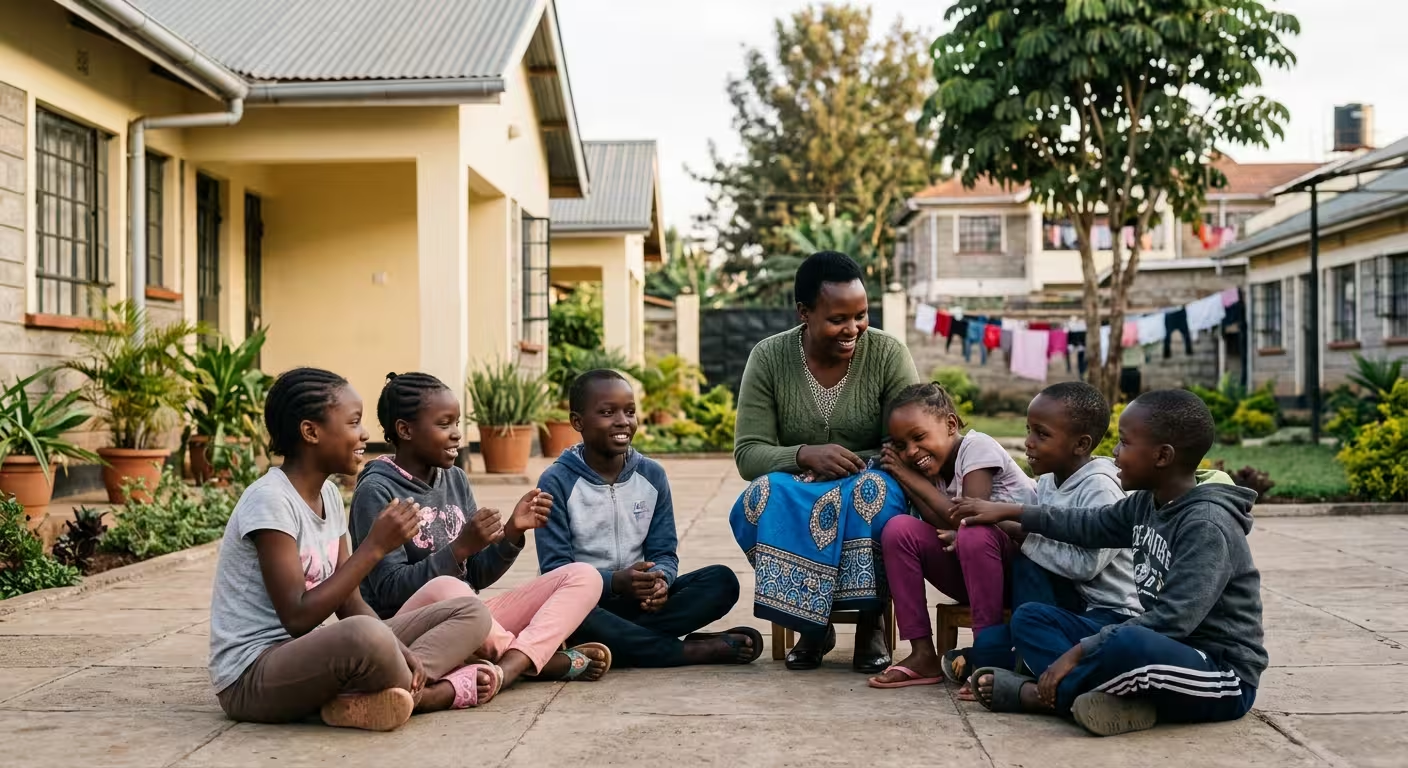
A home is more than walls.
Children arriving at Lumora Care have often experienced profound disruption — abandonment, abuse, loss, or life on the streets. Our seven residential homes across Kenya are designed to provide what each child most needs: safety, predictability, and warm human presence.
- Seven homes in Nairobi, Kisumu, Mombasa, Nakuru, Eldoret, Thika, and Nyeri
- Maximum 20 children per home — small enough for real relationships
- Trained house parents live on-site, providing continuity of care 24/7
- Each child has an individual care plan reviewed every three months
- Trauma-informed approach underpins every interaction
- Culturally appropriate meals, routines, and spiritual care respected
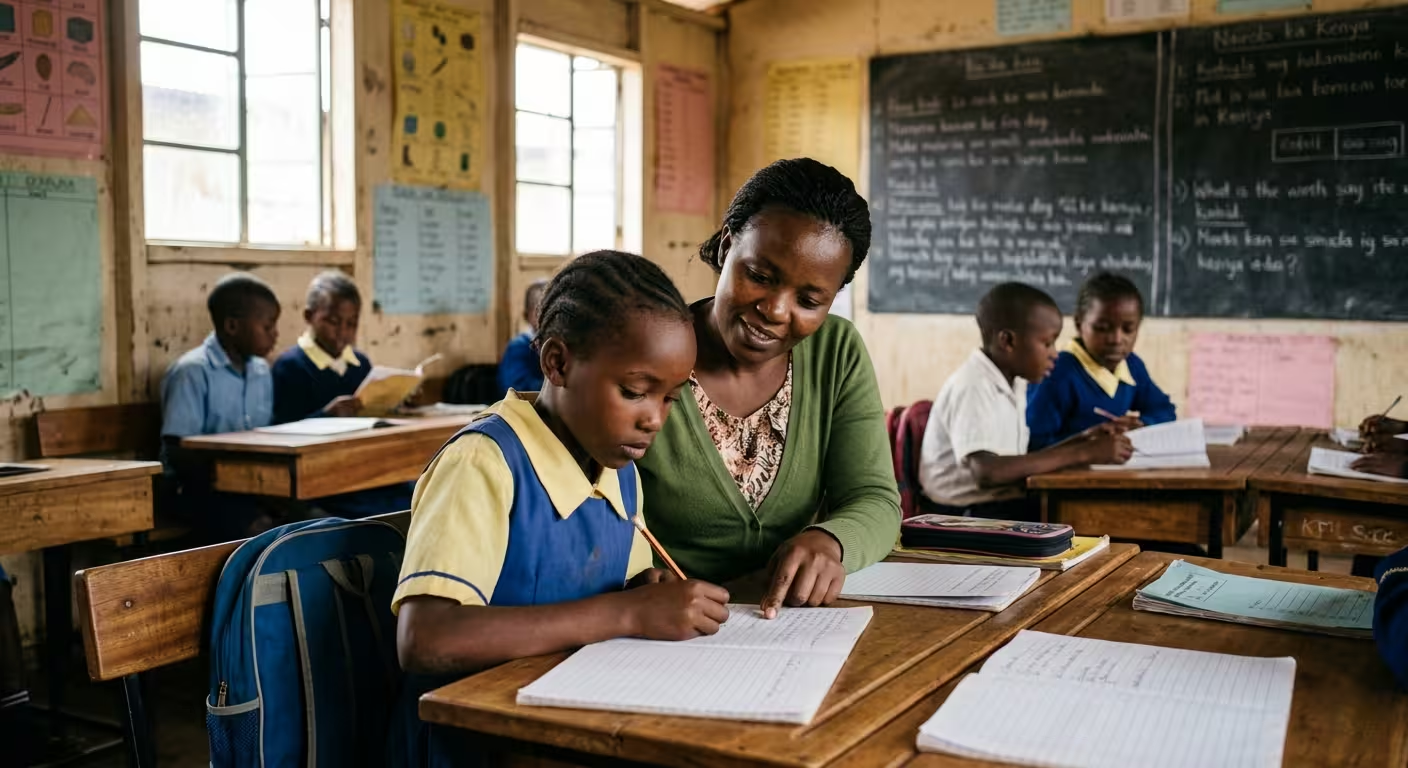
Knowledge is the one thing no circumstance can take away.
For children in vulnerable situations, an uninterrupted education is both a lifeline and a long-term investment. From our early childhood development programme in Kibera to university bursary partnerships, we ensure learning never stops.
- Early Childhood Development Centre serves 280 children aged 3–6
- Partnerships with 48 primary and secondary schools across Kenya
- After-school tutoring and homework support seven days a week
- University bursaries for qualifying KCSE graduates — 43 active currently
- Vocational training centre opened 2023 — carpentry, tailoring, ICT
- Girls' mentorship programme addresses gender-specific barriers to learning
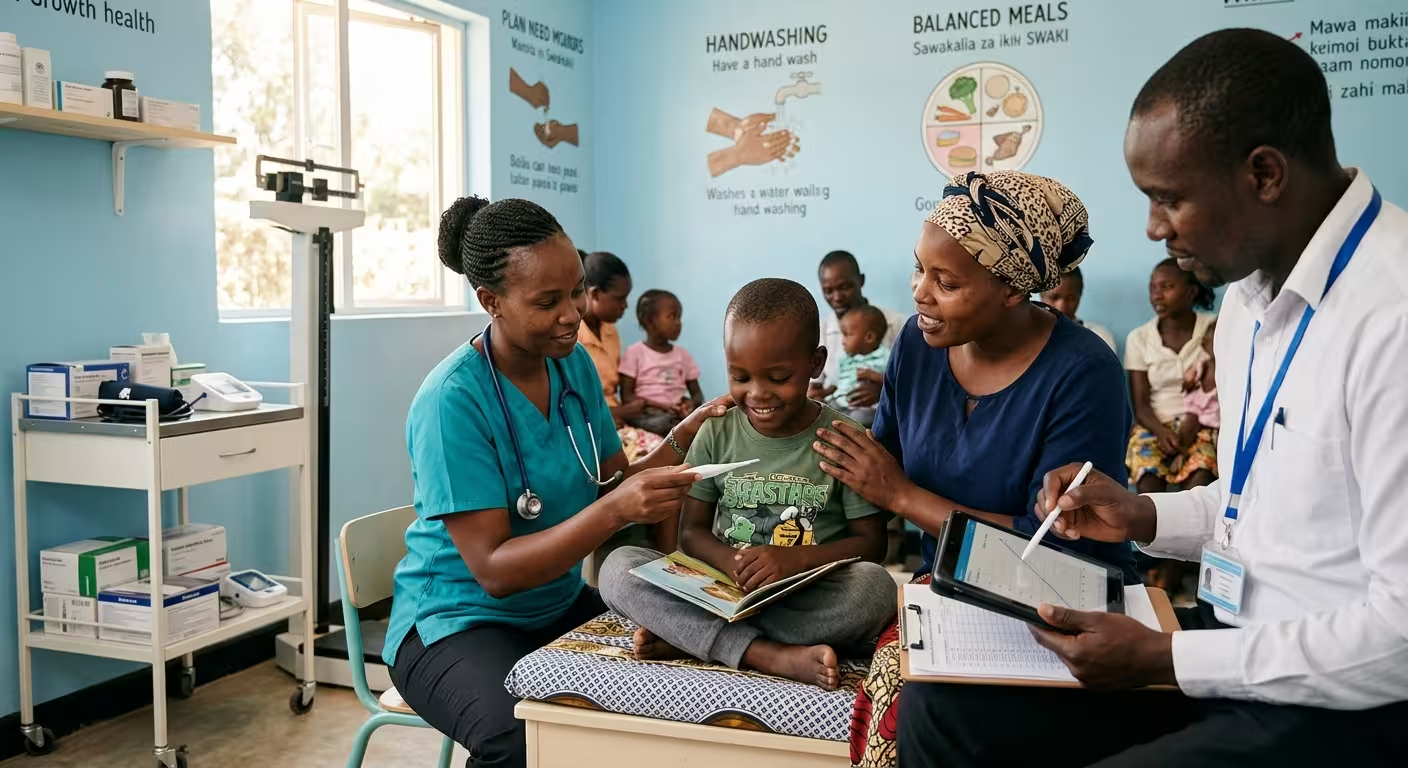
A healthy child can learn, play, and dream.
Many children who come to us arrive malnourished, with untreated infections, or carrying the invisible wounds of trauma. Our healthcare programme addresses both the physical and psychological dimensions of wellbeing without exception or charge.
- On-site clinic staffed by two nurses and a visiting paediatrician
- Full vaccination, deworming, and malnutrition screening on intake
- Three licensed counsellors provide weekly individual and group therapy
- Nutritional programme: three balanced meals and a snack daily
- Specialist referrals via Kenyatta National Hospital MOUs
- Community clinic open to neighbourhood residents two afternoons a week
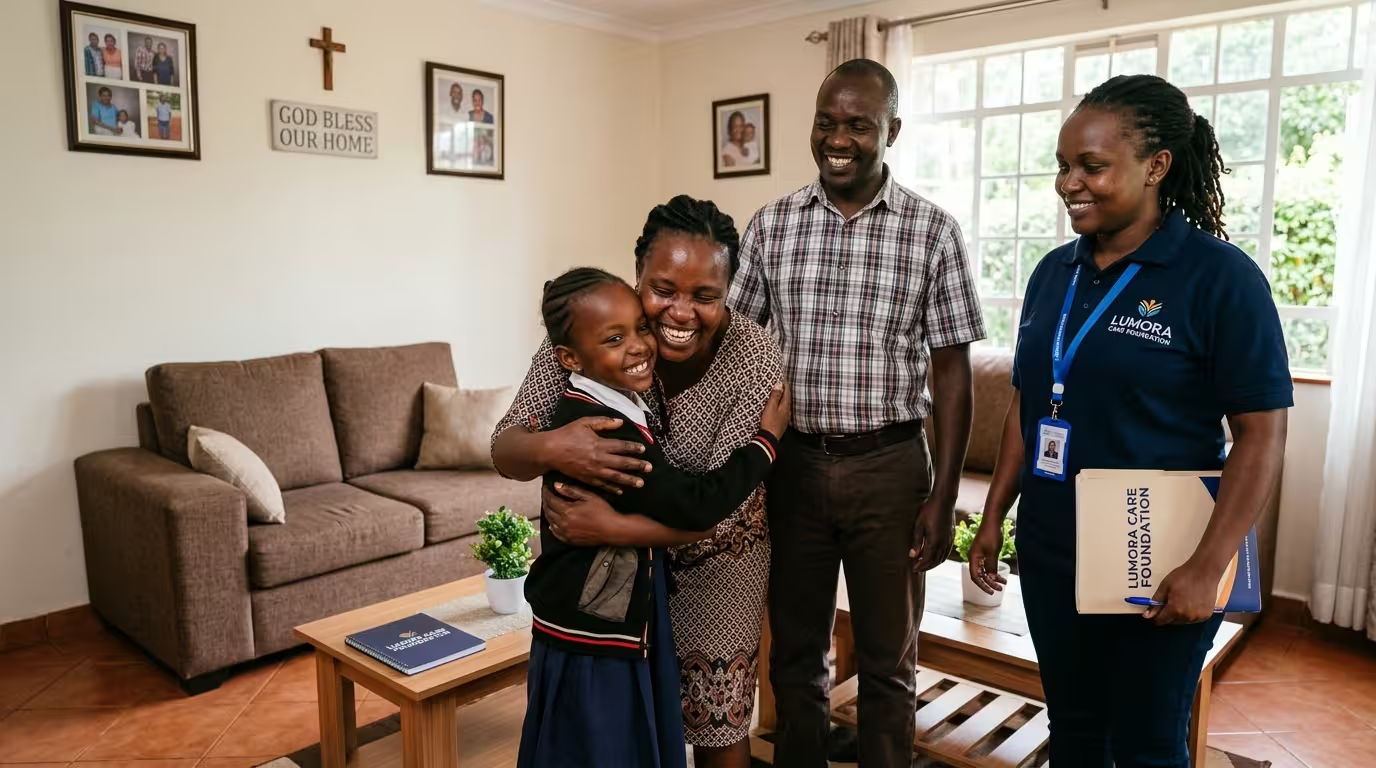
A child's place is in a family, whenever possible.
Institutional care, however loving, is never a permanent solution. Our reintegration programme is grounded in Kenya's Children Act 2022 and the principle that a child belongs in a stable family environment. We work patiently, without shortcuts, to make that happen.
- Dedicated family tracing team locates relatives within 60 days of intake
- Parenting skills training and family therapy for all reintegration cases
- Economic empowerment grants help families achieve financial stability
- Monthly home visits for 24 months post-reintegration
- Formal assessment before reunification — child's voice central to decision
- Legal support for adoption where family reunification is not possible
Programme FAQs
Referrals come through Kenya's Department of Children Services, hospital social workers, community leaders, police child protection units, and other NGOs. We conduct a full intake assessment within 48 hours of a referral to determine whether our residential programme is appropriate, and if so, to begin building the child's individual care plan.
No. We are explicit that residential care is a transitional, stabilising environment — not a permanent home. Our goal is always family reintegration where safe, or formal adoption as a secondary option. We benchmark ourselves against the international de-institutionalisation standards set by UNICEF and the UN Guidelines for Alternative Care.
Our homes are not open for unannounced visits in order to protect the privacy, safety, and emotional stability of the children in our care. Volunteers, corporate partners, and prospective donors are welcome to visit during structured engagement events which are scheduled regularly. Contact our office to arrange a formal visit.
All staff and volunteers undergo rigorous background checks, mandatory safeguarding training, and sign our Child Protection Policy before any contact with children. We have a designated Safeguarding Officer, an anonymous reporting hotline (0800 221 010), and conduct surprise internal safeguarding audits quarterly. Our policy is publicly available for download on this website.